Take control of your home’s winter energy bill
Understand and manage your electricity use when temperatures drop
Heating your home during the coldest winter months can account for nearly 50% of your electric usage, even if your thermostat stays the same. Discover tools to help you understand what's driving your bill and resources to help you manage your winter usage while staying comfortable.
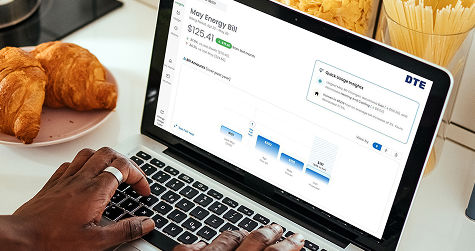
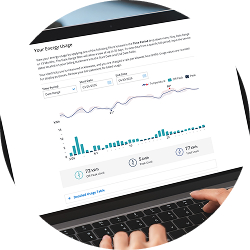
Review energy use over time
View your energy usage data to compare your home’s use from year to year and spot trends and changes.
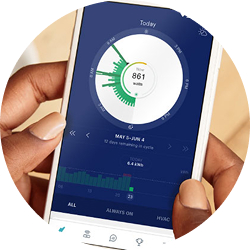
See energy use by the hour
The DTE Insight app helps you track daily and hourly energy use, so you can make changes before your next bill. This is a separate app from the DTE mobile app.
Find the best rate for your lifestyle

Need help managing your bill?

Find payment assistance
If you are having trouble paying your bill, your income may qualify you for a fixed monthly payment.

Pay off a past-due balance
Get your account back on track and pay down your past-due balance over a period of time without any late fees.

Make budgeting easier
Explore payment programs and options designed to keep you in control of your energy bill.
If you are experiencing an issue or are dissatisfied with your service, please submit your concern and someone from our team will follow up.
Explore energy-saving resources

Home product discounts
Visit the DTE Marketplace for instant savings on energy‑efficient products.


Earn rewards
Earn a yearly bill credit when you enroll in smart thermostat adjustments through Smart Savers.

Discover energy-saving tips
See the best ways to reduce your usage for your lifestyle and get more DIY tips from our energy savings playlist.
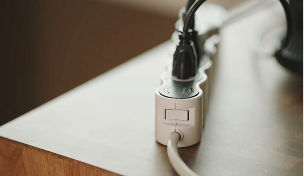



Did you know? Space heaters use a lot of electricity. To use them safely and efficiently, close doors to contain heat and turn them off when you leave the room.
Frequently asked questions
The bigger the difference between indoor and outdoor temperatures, the more your heating system runs. During extreme cold, your system uses more electricity to keep you comfortable.
Electric heating and gas heating both use electricity in some capacity, but differ in the way they use it:
- Electric heating uses electricity to generate heat. It can come from centralized systems like forced-air electric furnaces or from individual units such as baseboard heaters, wall heaters, radiant panels or portable space heaters.
- Gas heating uses natural gas or propane to fuel a furnace or boiler, which heats air or water for distribution throughout the home. While the heating process relies on gas, electricity is still needed to power components like fans, thermostats and ignition systems.
To keep your home safe this winter while maximizing efficiency:
- Plug your space heater directly into a wall outlet — never use extension cords or power strips, as they can overheat and cause fires.
- Keep your space heater three feet away from anything that can catch fire, like curtains, furniture or bedding.
- Power off space heaters when you leave the room or go to sleep.
- Heat only the room you’re using and keep doors and windows closed to prevent heat loss.
- Use a space heater with a thermostat or timer and set it to the lowest comfortable temperature.
- Lower your central heating slightly and use the space heater for localized warmth.
Every home is unique and comes with its own set of heating challenges. Your home's age, size, insulation and heating system can all affect how much energy you use. Older homes may lose heat more easily, causing heating systems to work harder to maintain a comfortable temperature. Explore ways to weatherize your home for winter and improve energy efficiency while staying warm.
An unexpected increase in your electricity bill can be a surprise. Whether driven by seasonal shifts, equipment inefficiencies or changes in your home, there could be an explanation for the variation in your bill. Learn more about the biggest impacts on your bill and what changes you can make to manage your usage and your bill.
Explore these interactive example bills to understand the sections of your bill. You can also check out our video and learn more about how to read your bill.
If your bill feels overwhelming, help is available. The sooner you connect with us, the more we can help. Visit dteenergy.com/help to learn more.